
Health Articles
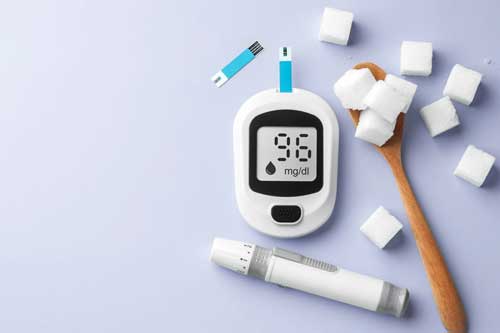
Diabetes: Understanding the Disease Beyond Blood Sugar
Diabetes is often described simply as a condition of “high blood sugar.” While elevated blood glucose is central to diabetes, this description does not capture the complete picture.
Read Article
Prediabetes: An Opportunity to Change the Course
Prediabetes is often discovered during a routine blood test, sometimes in people who feel completely well. It means that blood glucose levels are higher than normal but have not yet reached the diabetes range.
Read Article
Obesity: Looking Beyond Willpower and the Weighing Scale
For decades, weight management was reduced to a seemingly simple equation: eat less and move more.
Read Article
Insulin Resistance: The Metabolic Changes That Can Begin Before Diabetes
Blood glucose can be normal while important metabolic changes are already taking place.
Read Article
Thyroid Health
The thyroid is a small, butterfly-shaped gland located in the neck, but its hormones influence many functions throughout the body.
Read Article
PCOS: Looking Beyond the Menstrual Cycle
PCOS is commonly associated with irregular menstrual cycles, acne, excess hair growth and fertility concerns.
Read Article
Menopause and Metabolic Health: What Changes and Why It Matters
Menopause is a natural biological transition, but the years surrounding it can bring meaningful changes in metabolic health.
Read Article
Fatty Liver: More Than an Ultrasound Finding
Fatty liver is often discovered unexpectedly during an abdominal ultrasound.
Read Article
Cardiometabolic Health: Understanding the Link Between Blood Sugar, Blood Pressure, Cholesterol and Weight
Health reports are often divided into separate numbers: glucose on one line, cholesterol on another, blood pressure measured elsewhere and weight recorded separately.
Read Article
Why Muscle Matters for Metabolic Health and Healthy Ageing
When people think about metabolic health, they usually think about blood sugar, weight or diet.
Read Article
The Metabolic Health Check: Looking Beyond “Normal” Reports
A health report can be reassuring when every value is marked “normal.” But laboratory reference ranges and an individual's future health risk are not always the same thing.
Read Article